Leaderboard


Popular Content
Showing content with the highest reputation on 09/12/12 in Posts
-
Another picture for you guys Did something in Photoshop for once since I was in the mood for having some pen pressure Monochrome sketch:2 points
-
Just to note, even with a petition of a million strong, it wouldn't encourage NATO to do anything. There are far more political and societal considerations to be made by NATO before they act. They could care less what 1 million American (and perhaps some European) people think. In the end its just an electronic record of some people who wanted to feel smugly superior because they signed a petition to try and have action made to help those poor children. While it is true that awareness can be raised, I don't think anyone on this site is naive to the happenings of the world, so I'm pretty sure, at least on this site, awareness has already been raised.1 point
-
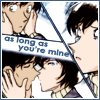
Got into SonoKai... I BLAME LYNZ () Hidden Kiss:1 point
-
You'll see Done with Twin's request \o/ The BG is terrible, but I tried. =X Four Seasons (Aki, Fuyumi, Haruko and Natsumi):1 point
-
I had the same reaction when I looked at Japanese Hiragana/Katakana chart. + you have to learn Kanji... Only reason Korean is easier is because 1. All you have to know is how to pronounce the words. We do use Hanja, but we write them in Korean (sometimes in parenthesis to clarify what word is written,but mostly, we go with the flow of language.) 2. It takes time, but it's actually much easier than English since there are less tricky way to pronounce the word. Korean letters are made with only one pornounciation (with some rules to pronounce them in certain cases for "ㅇ") so it won't be much difficult once you get the hang of it. After mastering how to read, write, and speak; only thing left is learning words and grammar. Then advanced stuff like Hanja. 3. According to the history Chinese characters were very difficult to learn (and it was only taught to riches), King Se-jong decided to make a new language in order to have the people (poors, pheasants, farmers) understand what the notices say, and learn to communicate by writing. I'd say Korean and Japanese are equally difficult. It may not look like Korean use Hanja very often, but even the basic word like "우유" (Oo-Yoo), is actually Hanja: "牛乳" meaning "Cow Milk". Similarily, "모유" (Mo-Yoo), is "母乳" meaning "Mother Milk" (in English, we call it "Breast Milk") Basically, in Korean, you learn Hanja without knowing it, except for the writing since it is spoken more often. Sometimes it is better to learn Hanja because you can catch similar words faster, like the example above. "유" (Yoo) was used as the Hanja: "乳" meaning "Milk" so if you put various words(if the combined word exists,) you can actually understand it's a type of milk. other examples are: 두유 "Doo-Yoo", Soy Milk 마유"Ma-Yoo", Horse Milk 당유 "Dang-Yoo", Condensed Milk(Dang means Sugar, but we know it as Condensed Milk)1 point